
ISOCLEAN® Certified Lubricants Program
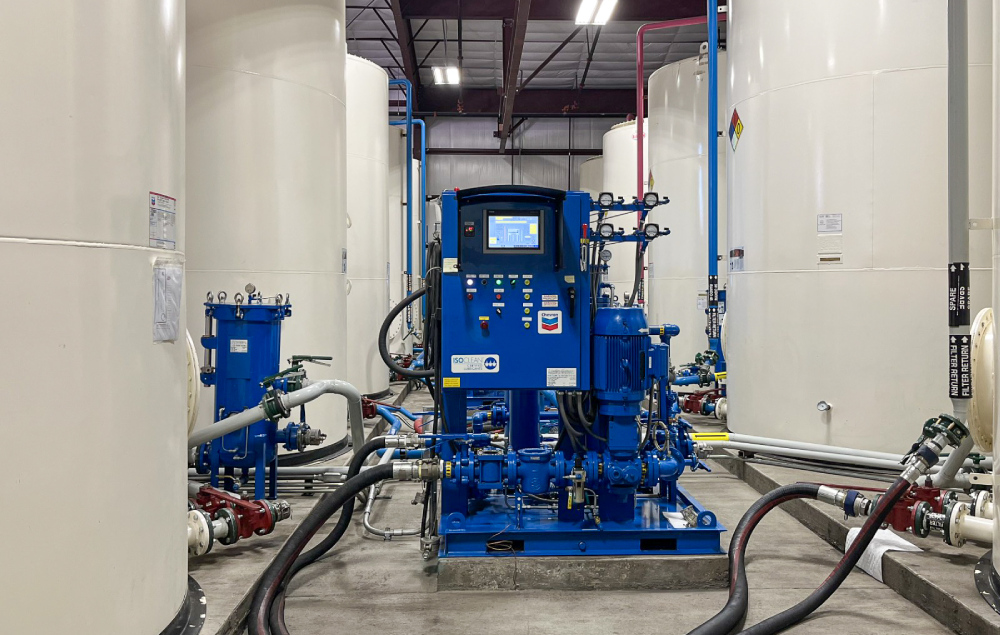
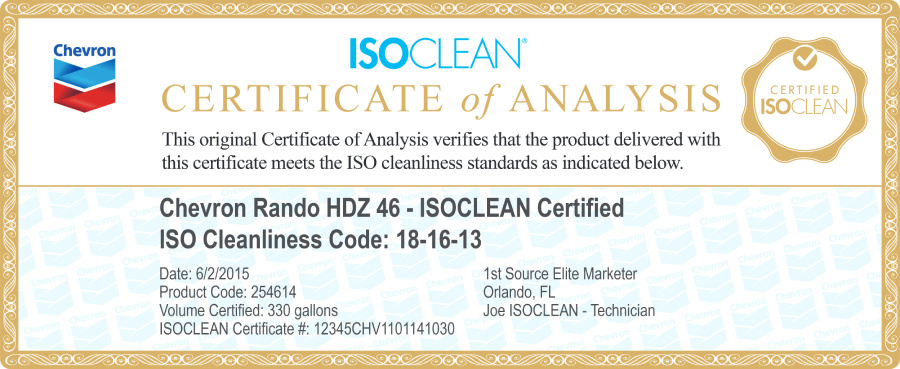
ISOCLEAN Certified Lubricants are lab tested and delivered certified clean allowing your machinery to start with oil that meets OEM targets. Clean oil reduces particle induced wear, increases uptime, and helps protect your investment in equipment reliability. By starting clean and staying within OEM specifications, ISOCLEAN has been scientifically proven to reduce wear caused by particulate contamination, supporting longer component life, improved performance, and great operational confidence.
ISOCLEAN Benefits
- Meets OEM cleanliness requirements
- Proven by data to increase component and equipment life
- Helps optimize oil life and reduce disposal costs
- Improves reliability and increases uptime
- Reduces the need for onsite pre-filtering
- Reduces maintenance time and costs
- Eliminates the risk of over-filtering lubricants
- Improves safety
- 90% savings achieved when you control fluid contamination up front, rather than wait to remove it later
Contaminants = Problems
Dirt and particle contamination are the leading cause of premature wear, component and equipment failure. Particles too small for the naked eye to see are deadly to your equipment and your bottom line.

How Contamination Starts
- Manufacturing: Tiny metal particles, dust, or chemical residues from the production process can remain in the lubricant if filtration and cleaning steps are insufficient
- Storage Contamination: Improperly sealed drums, tanks, or intermediate storage containers can allow dirt, moisture, or foreign particles to enter the lubricant.
- Transportation Contamination: During shipping, lubricant containers can be expose to dust, water, ingress, or cross-contamination from other products in the transport environment.
- Handling Practices: Poor handling at the supplier’s facility, such as using dirty funnels, pumps, or hoses, can introduce contaminants before the product is delivered.
- Packaging Defects: Leaks or compromised seals in bottles, drums, or bulk containers can let in air, dust, or moisture leading to early degradation.
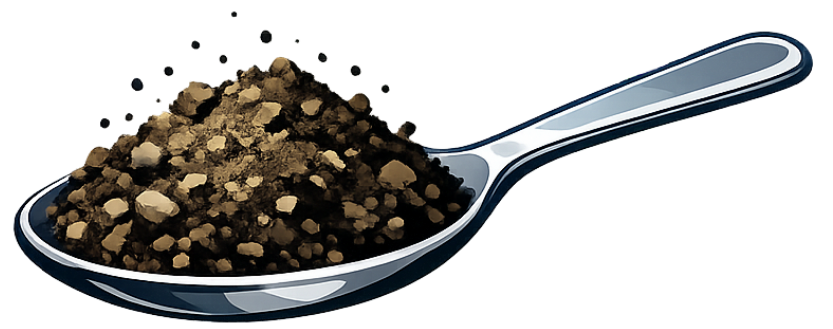
New Oil Under Magnification

“Contaminants can cut equipment life in half or more, and controlling contamination is key for successful operation.”
“Which would you prefer, ASSUMING OR KNOWING that the new oil is truly clean?”
“Control Contamination before it controls you”
“Contamination increases labor, premature replacement, & equipment downtime”

The Hard Truth About Contamination
- #1 cause of lubricant-related failures in equipment is contamination
- 82% of lubricant-related failures in equipment is due to contamination
- 67% equipment failures are attributed to abrasion
- 2 out of 3 equipment failures are attributed to abrasion, erosion, or fatigue
- Oil can contain up to 32x more contaminant particles than the OEM deems acceptable
- Typical bulk oil can be transferred up to 8x before it reaches the customer’s equipment, picking up contaminants at every step: production, bulk transport, storage, packaging, delivery.
Leading Causes of Contamination
- Abrasion: Abrasive wear is the loss of material by the passage of hard particles over a surface that destroys the meal surface and generates new destructive particles
- Erosion: Erosion wear occurs when particles, water or gaseous vapors are transported in high oil flow and collide with metal parts, destroying the surface and forming new destructive particles
- Fatigue: Fatigue wear occurs when high pressures and/or high loads allow asperities to come in contact repeatedly, such as when components slide or roll, and release more wear generating particles

Sizing Contaminants
A micron is a unit of measure that equals one millionth of a meter – a micrometer or 0.000039 inches.
- Relative Particle Size (Bolded)
- 100 μm = Grain of Table Salt
- 40 μm = Lower Limit of Visibility
- 10 μm = Talcum Powder
- 2-3 μm = Bacteria
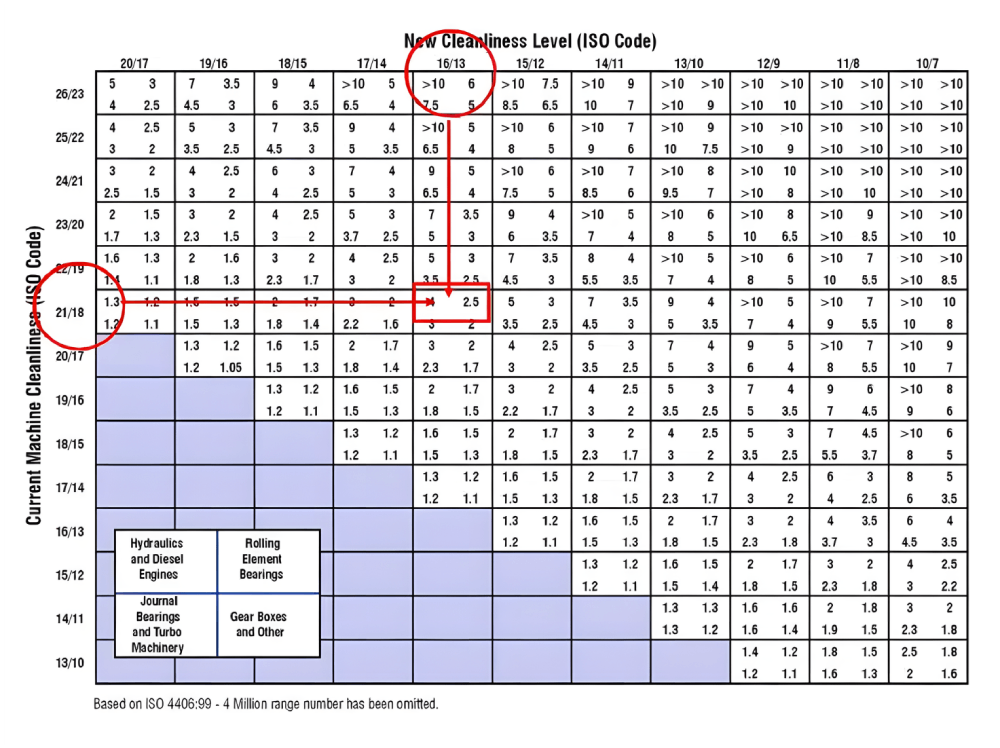
ISO 4406:99 Code Chart
- XX = total number of particles > 4 μm
- YY = total number of particles > 6 μm
- ZZ = total number of particles > 14 μm
In this example, the number of particles measured at the given micron levels are assigned a code based on where the value falls in the table. For this example, the ISO code would be 20/17/13.
| Particles/ml | ISO Code | |
|---|---|---|
| >4 µ | 9,721 | 20 |
| >6 µ | 1,254 | 17 |
| >10 µ | 326 | |
| >14 µ | 73 | 13 |
| >21 µ | 12 | |
| >38 µ | 5 | |
| >70 µ | 0 | |
| >100 µ | 0 |
| More than (p/ml) | Up to and including (p/ml) | ISO Code |
|---|---|---|
| 80,000 | 160,000 | 24 |
| 40,000 | 80,000 | 23 |
| 20,000 | 40,000 | 22 |
| 10,000 | 20,000 | 21 |
| 5,000 | 10,000 | 20 |
| 2,500 | 5,000 | 19 |
| 1,300 | 2,500 | 18 |
| 640 | 1,300 | 17 |
| 320 | 640 | 16 |
| 160 | 320 | 15 |
| 80 | 160 | 14 |
| 40 | 80 | 13 |
| 20 | 40 | 12 |
| 10 | 20 | 11 |
| 5 | 10 | 10 |
| 2.5 | 5 | 9 |
| 1.3 | 2.5 | 8 |
Impact of Clean Oil
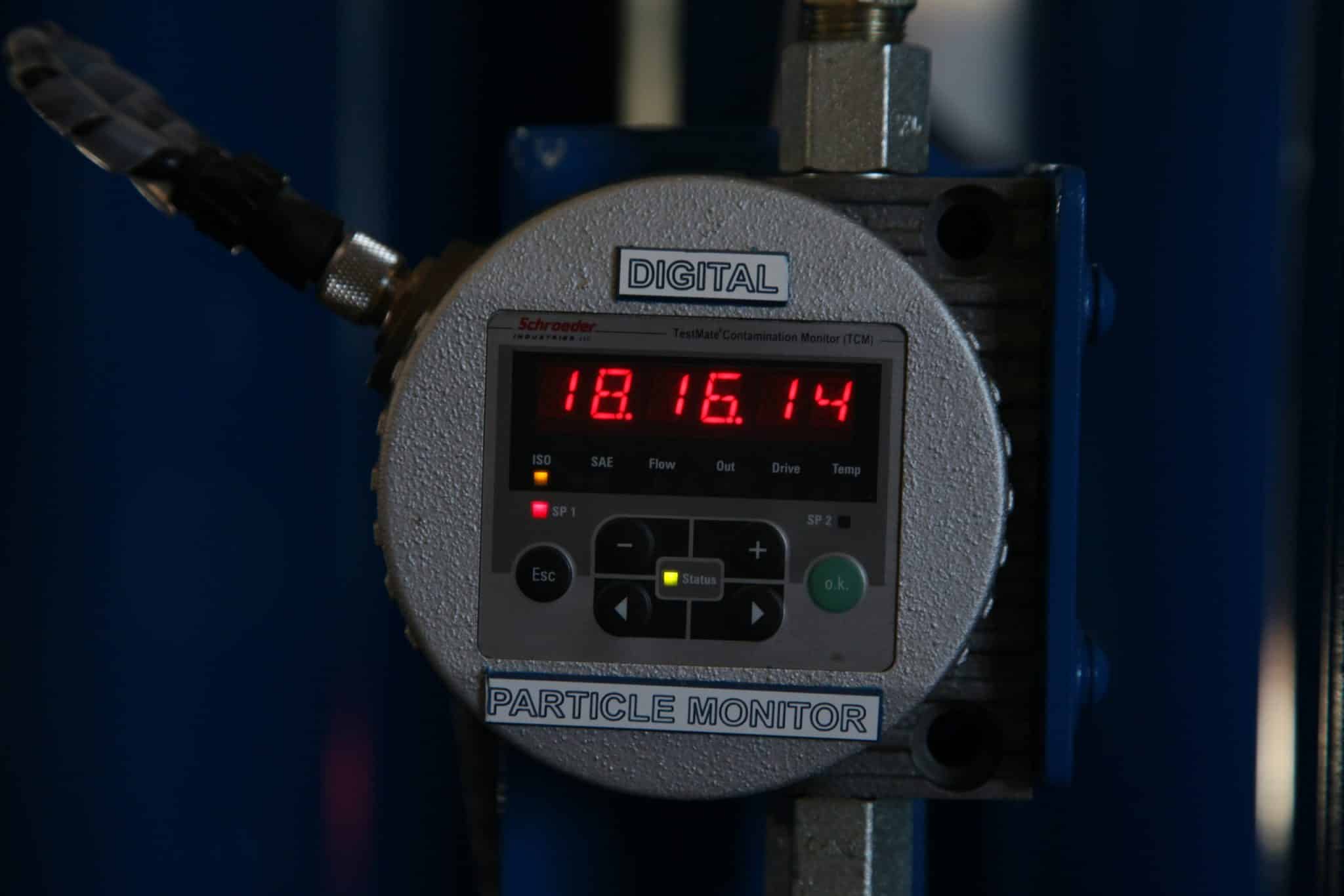
Improving the ISOcleanliness code of your oil will extend your equipment life!
- Increased component life
- Increased uptime
- Improved machinery reliability
- Lower component inventory
- Reduced disposal costs
- Improved product quality
- Reduced maintenance & service time
- Improved safety
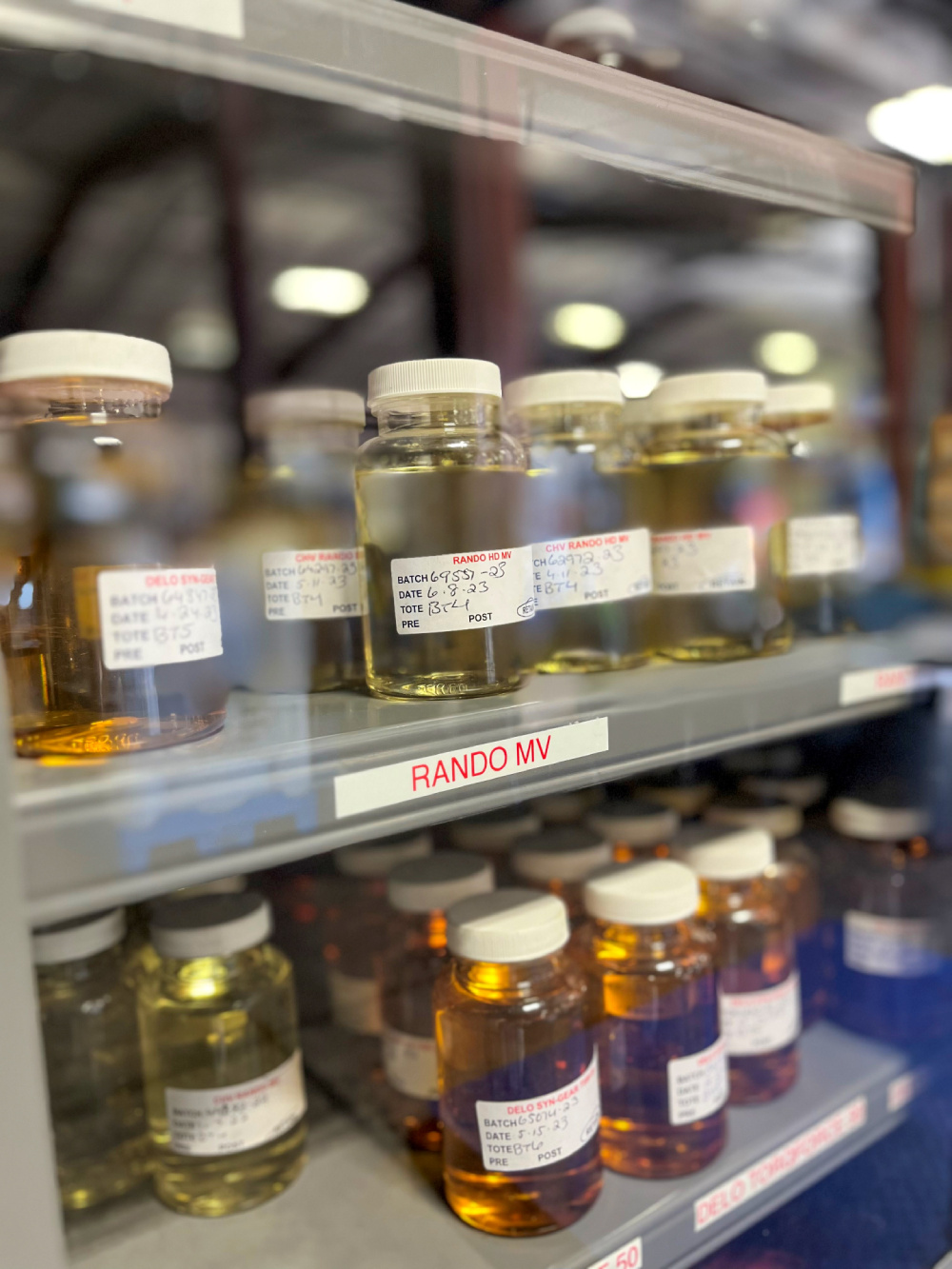
The Solution
Step 1 - Start Clean
- Meets OEM cleanliness specs
- Certified at point of delivery
- Backed by distributor & manufacturer
Step 2 - Monitor Oil
- Sampling SOP’s
- Trend Data
- Set corrective action plans
Step 3 - Stay Clean
- Product Storage – Breathers
- Product Handling – Dedicated equipment
Corrective Action
- Particle counts hits 19/17/15 =kidney loop filtration
- Water content hits 100ppm = vacuum dehydration
- Varnish potential hits 35 on MPC = varnish mitigation
- Small reservoir – change the oil
GET IN TOUCH WITH OUR EXPERTS TODAY FOR SOLUTIONS BUILT FOR YOUR BUSINESS